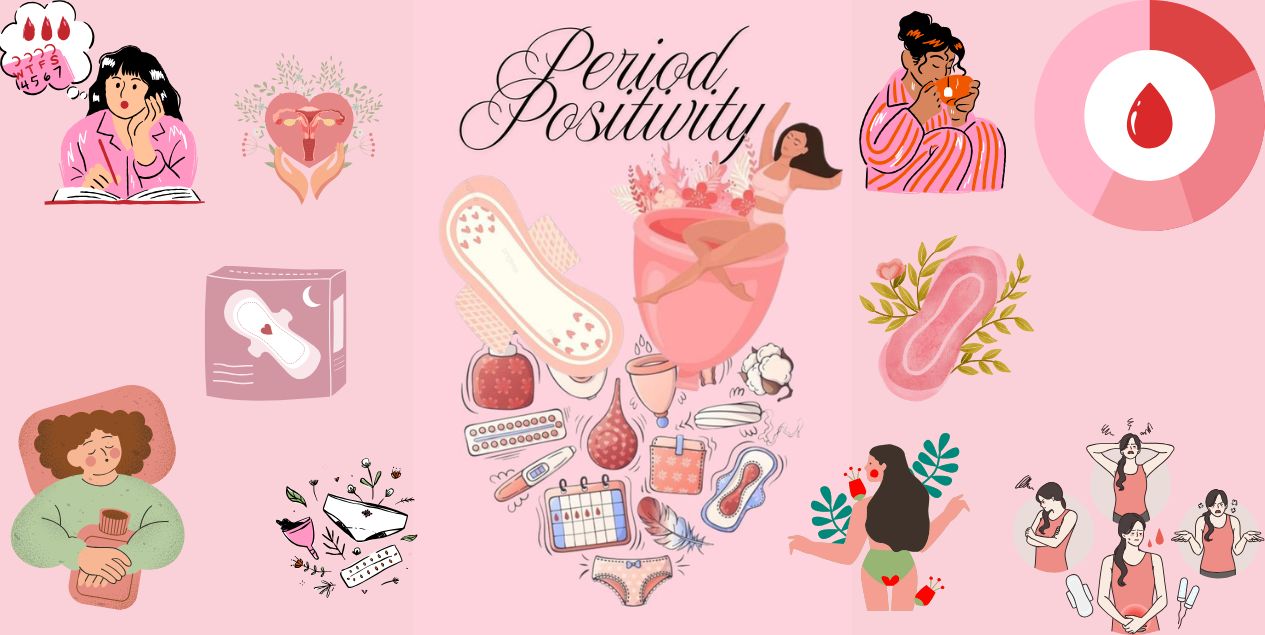
The Menstrual Phase—the time of your period—is often seen as an annoyance or a painful countdown. Here we see it as something else entirely: The Clean Slate.
This phase is your body’s monthly detox and hormonal reset. By understanding what is causing discomfort and why it happens, you can shift from dread to a state of supportive, low-stress healing.
The Science of the Flow: What is Actually Happening?
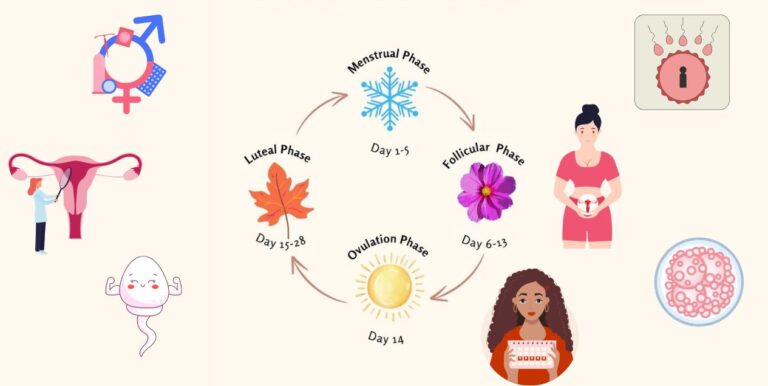
The menstrual phase officially marks Day 1 of your entire cycle and typically lasts between 3 and 7 days.
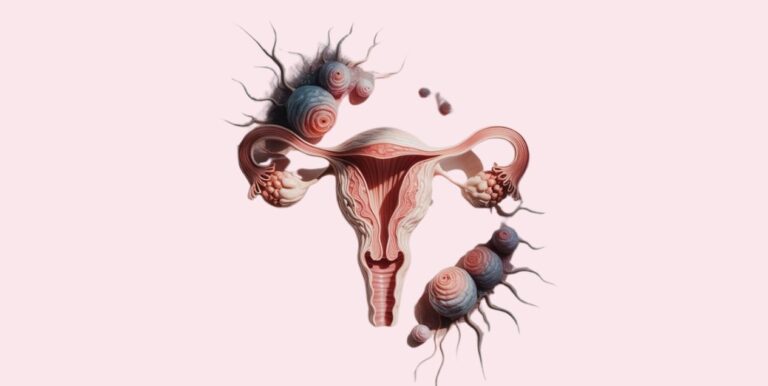
After the previous cycle failed to result in pregnancy, two key hormones—Progesterone and Estrogen—drop dramatically. This hormonal plummet signals to your body that it’s time to shed the nutrient-rich, blood-filled lining of the uterus (the endometrium) that was built up to host a potential pregnancy.
Think of it as the ultimate clean-out: Your body is clearing out the old to make way for the new, which is critical for preparing a healthy environment for the next fertility cycle.
The Nest Insight
The flow itself is about 50% blood and 50% tissue and fluid. Total blood loss for an average period is small—only 30 to 80 milliliters (about 2 to 5 tablespoons). Knowing this can help normalize your experience and reduce anxiety about “heavy” periods. (Source: American College of Obstetricians and Gynecologists, ACOG)
The Mystery Solved: What Causes Menstrual Cramps (Dysmenorrhea)?
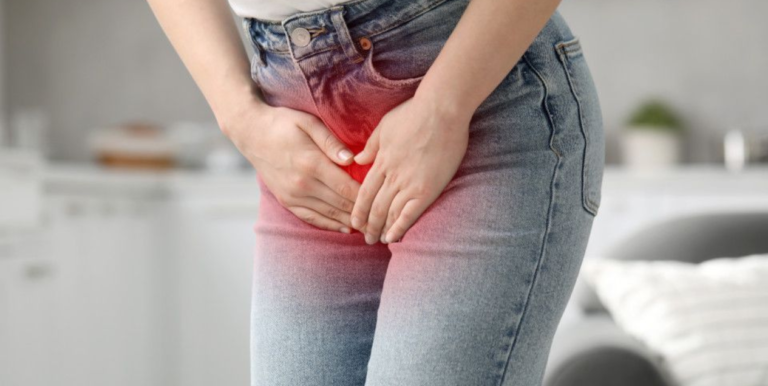
Cramping is the most common reason the menstrual phase is stressful, but the cause is purely mechanical and hormonal.
The Culprit: Prostaglandins
When your uterine lining starts to break down, your body releases hormone-like compounds called prostaglandins. These chemicals have one key job: they trigger the uterine muscles to contract vigorously.
The contracts are necessary to squeeze the old tissue out of the body. When the contractions are too strong, they temporarily constrict the blood vessels supplying oxygen to the muscle, causing the sharp, aching pain we know as a cramp (dysmenorrhea).
How to Avoid or Minimize Cramps
Since we know the cause is an overproduction or strong reaction to prostaglandins, our goal is to soothe the muscle and reduce prostaglandin production.
| Strategy | Actionable Tip | Scientific Reasoning |
| Reduce Inflammation | Start taking Magnesium and Omega-3 Fatty Acids a few days before your period starts. | Omega-3s (like fish oil) are potent anti-inflammatory agents that can naturally lower prostaglandin production. Magnesium is a muscle relaxant. (Source: Journal of Obstetrics and Gynaecology Research) |
| Heat Therapy | Apply a heating pad or hot water bottle directly to your lower abdomen or back. | Heat dilates blood vessels, which increases blood flow and oxygen to the contracting muscles, quickly relieving the cramp and promoting relaxation. |
| Gentle Movement | Engage in restorative yoga, light walking, or gentle stretching. | Exercise releases endorphins (natural painkillers) and increases circulation, helping the body manage the contractions more efficiently. |
| Medication Timing | If you use NSAIDs (like Ibuprofen), take the first dose before the cramps get severe, or even right before your flow starts. | NSAIDs block the production of prostaglandins. By taking them early, you prevent the painful levels from building up in the first place. |
How to Have a Healthy, Stress-Free Period
The menstrual phase is a time for restoration, not restriction. A stressful period often leads to a stressful follicular phase, delaying your prep for ovulation.
Your Goal: Honor the Need for Rest and Nourishment.
Nutritional Focus (Blood Building)
Your body is actively shedding blood and nutrients (especially iron). Support this process:
Prioritize Iron and Vitamin C: Eat red meat, lentils, spinach, and dark chocolate. Pair iron-rich foods with Vitamin C (like oranges or bell peppers) to maximize absorption.
Focus on Warming Foods: Minimize cold foods and drinks, which, according to traditional medicine, are believed to increase uterine stagnation and cramps. Opt for soups, stews, herbal teas, and cooked vegetables.
Stay Hydrated: Water loss is real during your period. Hydration helps circulation and can minimize headache severity.
Stress Management (The Hormonal Reset)
Cortisol (the stress hormone) can interfere with the delicate hormonal transition into the Follicular Phase. Reduce it!
Schedule a Pause: Treat Day 1 as a mandatory rest day. If possible, avoid high-stress meetings, high-intensity exercise, or late nights.
Limit Screen Time: Blue light and mental stimulation near bedtime can hinder deep sleep, which is essential for hormonal restoration.
Embrace Your Inner Investigator: Use this time to track your cycle. Note your pain levels, flow, and emotional state—this data is valuable for identifying patterns and discussing issues with a provider later.
By turning the menstrual phase from a battle into a self-care ritual, you not only ease your discomfort but also lay a stronger, less-stressed foundation for the ovulation and potential conception phase ahead.