If you’re trying to conceive, you’ve heard the term “Fertility cycle.” But the truth is, the fertility cycle is often taught as a simple countdown when it’s actually an intricate hormonal dance. Understanding this process is the most powerful tool you have.
This is your simple, four-phase guide to the miracle happening inside your body every month.
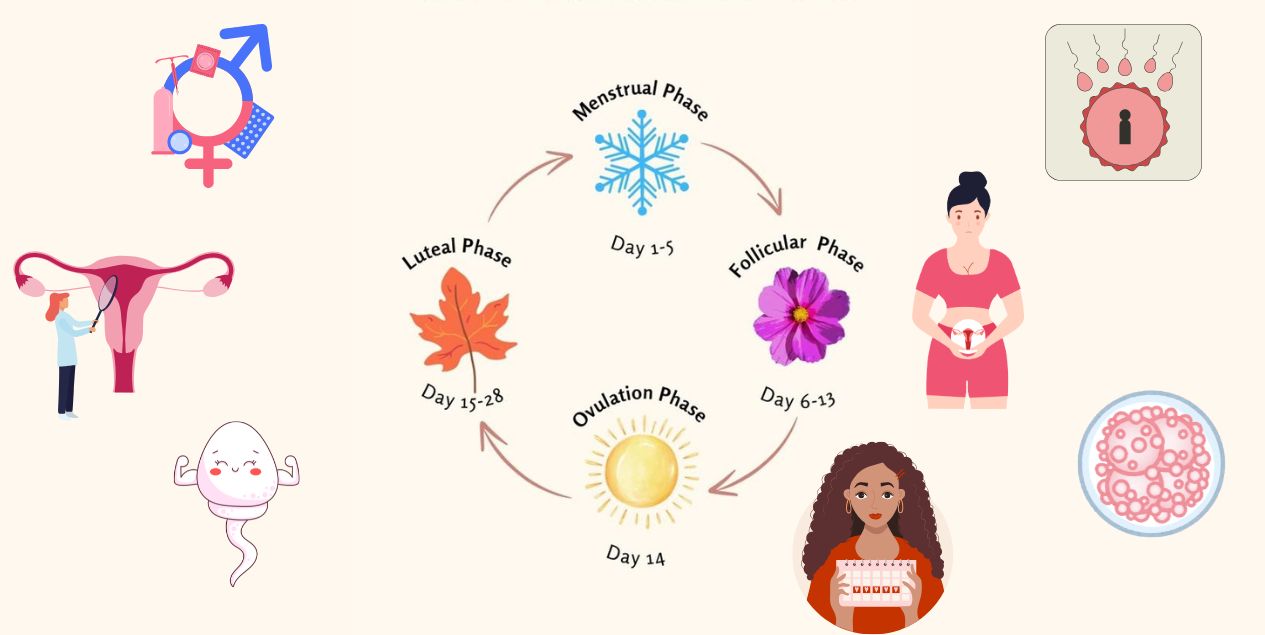
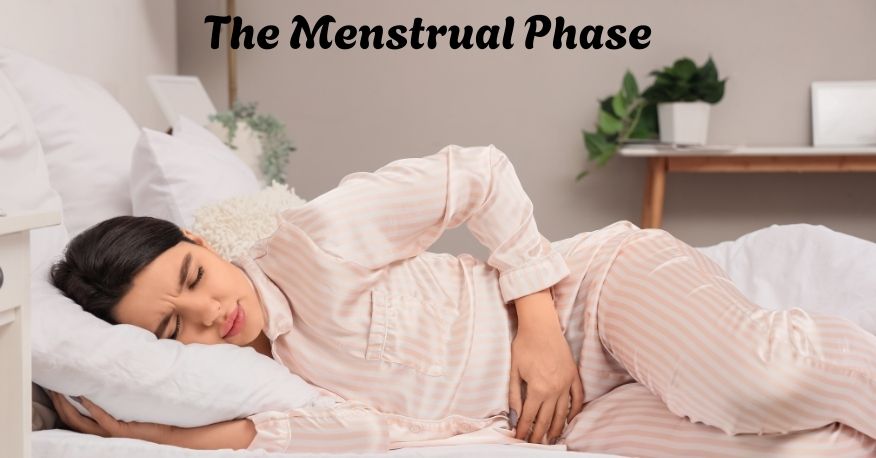
Phase 1: The Menstrual Phase (Days 1–5: The Clean Slate)
What’s Happening?
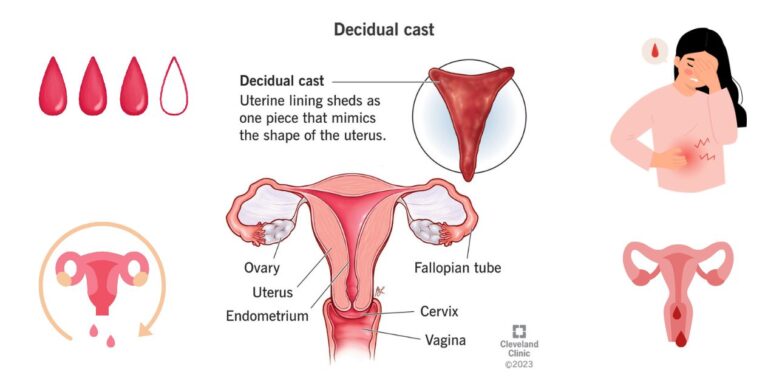
This is the phase we call a period. Your body has determined there is no pregnancy, and the uterine lining (endometrium) that was built up last month is shed.
The Key Hormones:
Estrogen and Progesterone levels are at their lowest. This hormonal “reset” is the signal to the brain that it’s time to start preparing for a new potential pregnancy.
The Nest Takeaway:
This is your body’s clean slate. It’s also a vital time to monitor flow, color, and duration. Your period is a monthly vital sign that tells you a lot about your overall health.
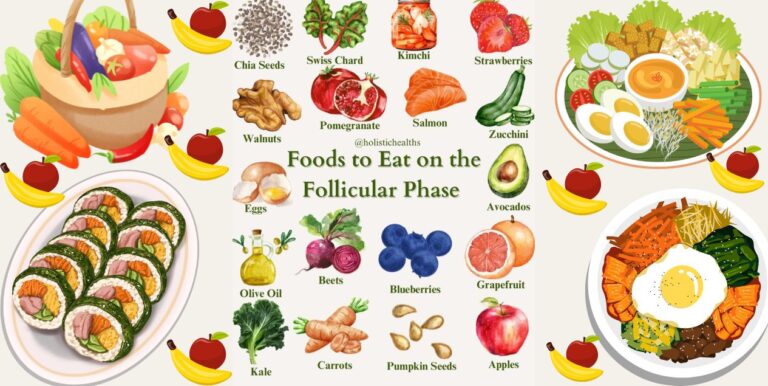
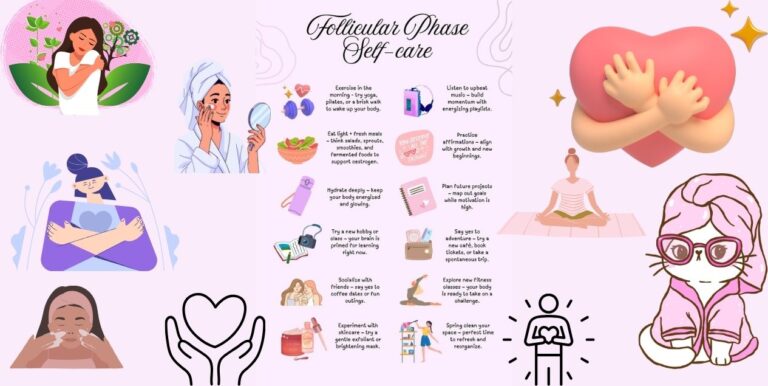
Phase 2: The Follicular Phase (Days 1–14: The Build-Up)
What’s Happening?
This phase overlaps with your period and lasts until ovulation. The brain sends out Follicle-Stimulating Hormone (FSH), which encourages a handful of follicles (sacs containing immature eggs) in your ovaries to begin maturing. One follicle will become dominant. Simultaneously, your ovaries begin ramping up Estrogen production.
The Key Hormones:
Estrogen is the star here. It acts like fertilizer, rebuilding the uterine lining (creating a lush ‘nest’) and changing cervical mucus to a thin, “egg-white” consistency—perfect for transporting sperm.
The Nest Takeaway:
Estrogen is the Architect of Fertility. Your body is preparing the environment. A healthy, robust follicular phase is critical for egg quality and endometrial thickness.
Phase 3: The Ovulatory Phase (Around Day 14: Peak Fertility)
What’s Happening?
When Estrogen peaks, it triggers a massive surge of Luteinizing Hormone (LH) from the brain. This LH surge is the final countdown; it causes the dominant follicle to rupture and release the egg into the fallopian tube. This is Ovulation. The egg lives for about 12–24 hours.
The Key Hormones:
The dramatic spike in LH is the main event. Your fertile window is generally the five days leading up to and including ovulation.
The Nest Takeaway:
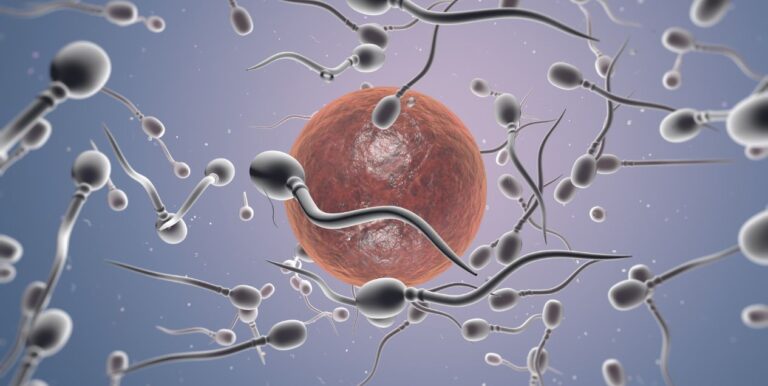
Sperm are the real race winners. Since the egg has such a short lifespan, the best chance for conception is having sperm waiting in the fallopian tube before ovulation. Timing your intercourse before the LH surge is often more effective than timing it after.
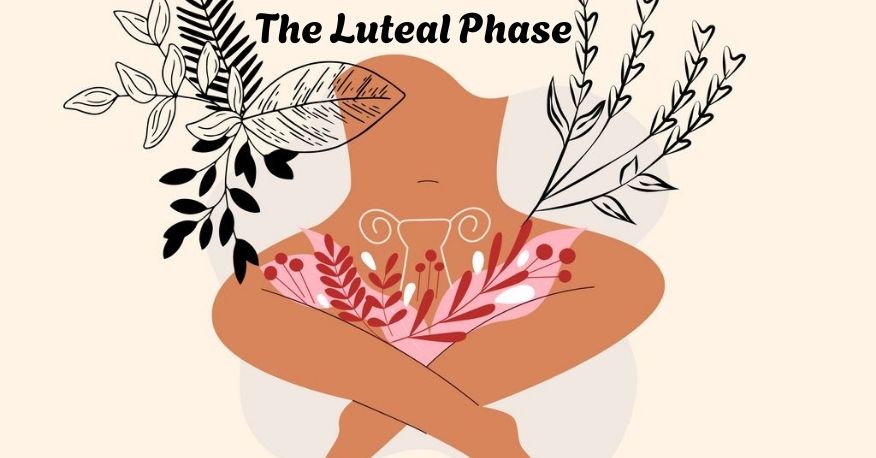
Phase 4: The Luteal Phase (Days 15–28: The Wait)
What’s Happening?
After the egg is released, the ruptured follicle transforms into a temporary endocrine gland called the Corpus Luteum. This little powerhouse immediately starts producing massive amounts of Progesterone. Progesterone’s job is simple: to mature the uterine lining and keep it stable to support a potential pregnancy.
The Key Hormones:
Progesterone is the main hormone. If pregnancy occurs, the Corpus Luteum continues producing Progesterone until the placenta takes over. If no pregnancy occurs, the Corpus Luteum dissolves, Progesterone levels plummet, and the fertility cycle starts anew with the Menstrual Phase.
The Nest Takeaway:
Progesterone is the Protector of Pregnancy. It is responsible for many of the common “symptoms” felt after ovulation (sore breasts, fatigue, mood shifts), which are often mistakenly read as early pregnancy signs.