
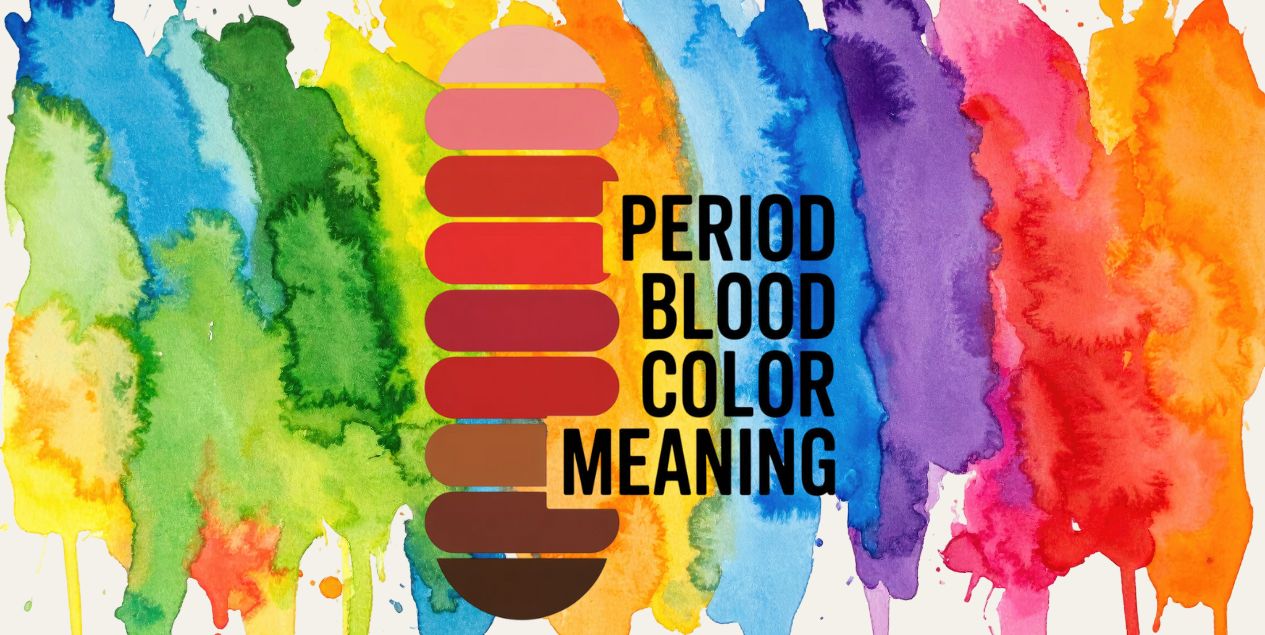
When you go to the bathroom during your period, what you see can vary wildly from day to day. For many, seeing brown or even black blood can be startling. However, your period colors are actually “monthly report cards” that provide powerful relief once you know how to read the clues your body is sending.
I’ve decoded the spectrum of colors to help you understand what is “normal” and when your body is asking for a little extra attention.
The Menstrual Color Spectrum
Bright Red: Fresh and Fast
This is the most common color seen during the middle of your period. Bright red blood means the blood is fresh and is being shed quickly from the uterine lining.
The Meaning: Your flow is steady, and your body is efficiently clearing the “nest” to start a new cycle.
Dark Red, Brown, or Black: The “Slow Flow”
Don’t let black blood scare you! This color simply indicates that the blood has been in the uterus longer and has reacted with oxygen (a process called oxidation).
The Meaning: You’ll typically see this at the very beginning or the very end of your period. It is simply “older” blood that took a bit longer to exit. It is perfectly healthy and normal.
Pink: The Estrogen Indicator
Pinkish blood is usually just a mix of menstrual blood and clear cervical fluid.
The Meaning: It often happens during light spotting. However, if your entire period is very light and pink, it could be a sign of low estrogen levels or high-intensity exercise impacting your hormones.
Orange: A Warning Sign
While blood can sometimes look orange when mixed with cervical fluid, a distinct, persistent orange hue can be a diagnostic clue.
The Meaning: A distinct orange flow, especially if accompanied by an unusual odor or “slippery” texture, can sometimes indicate an underlying infection like BV (Bacterial Vaginosis). This is a sign to call your provider for a quick check.
Gray: Red Flag
Gray discharge or grayish tissue is the one color that requires immediate medical consultation.
The Meaning: This can be a sign of an infection or, in some cases, a very early miscarriage (chemical pregnancy). If you see gray, it’s time to consult a professional.
Three Ways to Support a Healthy Flow
How can you ensure your period stays in the “healthy” spectrum?
Hydrate for Fluidity: Proper hydration helps the blood flow more easily, reducing the time it sits in the uterus and preventing that heavy, “clotted” feeling.
Monitor Iron Levels: If your flow is consistently very heavy and bright red for more than 7 days, your iron stores may be depleted. Focus on iron-rich foods like lentils, spinach, and lean meats.
Track the Trends: Use a period tracking app to note your colors. One “off” month is usually nothing to worry about, but a pattern of orange or gray flow is an investigative lead you should follow.
Knowledge is the antidote to anxiety. Once you understand that a range of colors—from bright red to deep black—is a sign of a functioning system, you can move through your cycle with powerful relief. Your body isn’t a mystery; it’s a map.