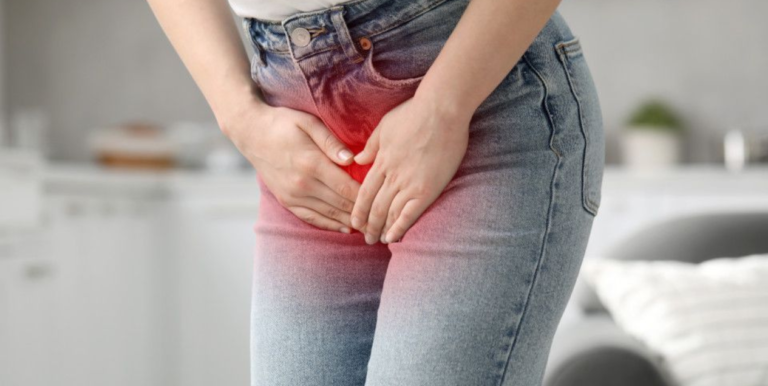

For too long, the debilitating, painful period has been dismissed as “just part of being a woman.” This myth has prevented countless individuals from getting the diagnosis and relief they need.
Get ready to ditch the outdated advice as we shatter five of the most common myths surrounding painful periods and empower you with the truth.

Myth 1: Severe Period Pain is Normal and You Just Have to Deal With It
🚫 Myth: “Pain is normal, and passing out, vomiting, or missing work/school is just ‘part of being a woman.’ If your mother had bad periods, you will too.”
✅ Fact: Severe, debilitating pain is NOT normal.
While mild cramping (primary dysmenorrhea) is common, pain that prevents you from functioning, forces you to rely on maximum doses of pain medication, or causes extreme symptoms (nausea, dizziness, vomiting) is a red flag. This can be a sign of a secondary condition, the most common being Endometriosis (where tissue similar to the uterine lining grows outside the uterus) or Adenomyosis (where the uterine lining tissue grows into the muscular wall of the uterus).
Myth 2: You Can’t Do Anything About Cramps—They’re Just Hormones
🚫 Myth: “Hormones cause the pain, so only prescription drugs can help.”
✅ Fact: Cramps are primarily caused by physical uterine contractions triggered by prostaglandins, and they are highly manageable.
As we covered in the last post, menstrual cramps are caused by the release of prostaglandins, which signal the uterus to contract. These contractions constrict blood vessels, causing pain.
Myth 3: Painful Periods Get Better After You Have a Baby
🚫 Myth: “If you suffer from terrible cramps now, just wait until you have a baby; pregnancy will ‘reset’ your body and fix the pain forever.”
✅ Fact: This is often true for primary dysmenorrhea (common cramping) but rarely for pain caused by underlying conditions.
For many, childbirth physically changes the uterus and cervix, which can lead to less painful shedding of the lining. However, if your pain is caused by Endometriosis or Fibroids, having a baby will likely not cure the underlying disease. In fact, symptoms may return or even worsen after pregnancy. It is crucial to address the root cause of the pain, regardless of future family plans.
Myth 4: Period Pain is Just an Emotional or Psychological Issue
🚫 Myth: “The pain is all in your head, or you’re just sensitive to discomfort.”
✅ Fact: Period pain is a real, measurable physiological event.
The intensity of cramps is directly related to the level of prostaglandins released and the resulting intensity of uterine muscle contractions. Stress and anxiety can certainly lower your pain threshold, thereby worsening the experience of the pain. This myth often leads to medical gaslighting and delays in diagnosis for conditions like endometriosis, which can take years to confirm.
Myth 5: You Must Use Hormonal Birth Control to Regulate and Control Period Pain
🚫 Myth: “The Pill is the only way to manage pain and make your periods predictable.”
✅ Fact: Hormonal birth control can suppress pain, but non-hormonal, lifestyle, and dietary interventions are equally powerful.
While the contraceptive pill works effectively by suppressing ovulation and thinning the uterine lining (reducing the material that causes prostaglandin release), it is not the only solution. Lifestyle changes, such as following an anti-inflammatory diet (low sugar, high Omega-3s), prioritizing sleep, and managing stress, can significantly reduce the frequency and intensity of painful cramps without hormonal intervention.