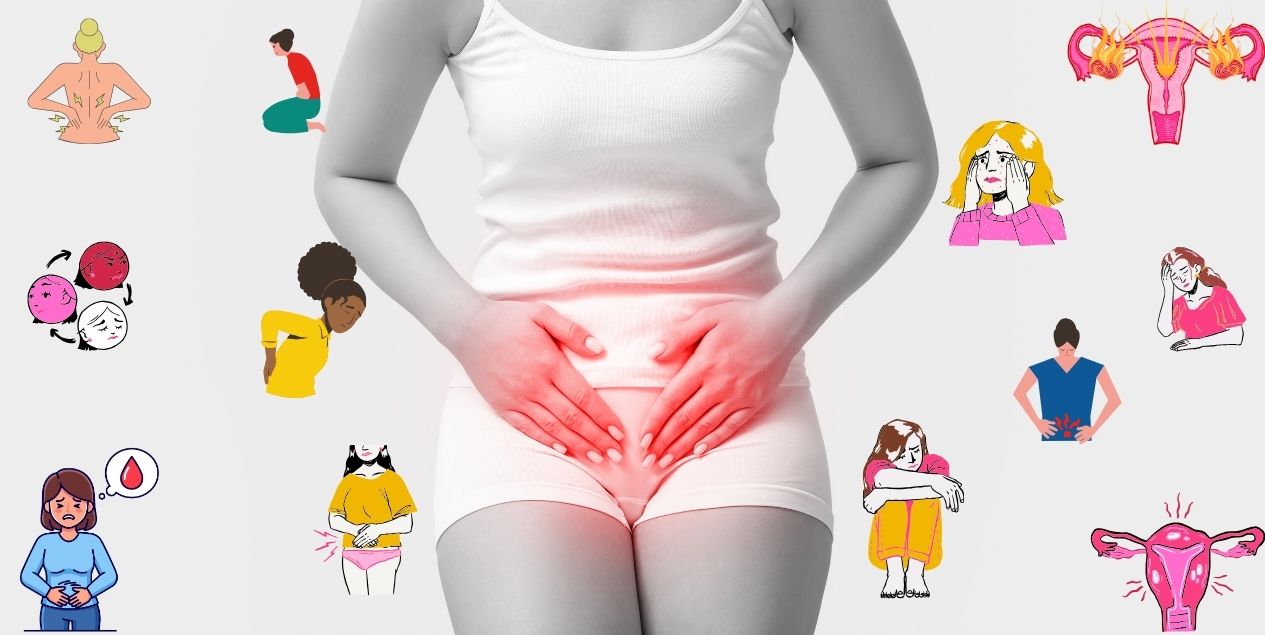
If you’ve been diagnosed with endometriosis or suspect you might have it, you’re likely grappling with pain, uncertainty, and perhaps fears about your fertility journey.
We’re here to demystify this complex condition.
Understanding endometriosis—what it is, why it hurts, and how it impacts conception—is your vital first step toward finding hope and effective strategies.
Endometriosis Explained: What It Is (and What It Isn’t)
Endometriosis is a chronic condition where tissue similar to the lining of the uterus (the endometrium) grows outside the uterus. These growths, called implants, can be found on the ovaries, fallopian tubes, the outer surface of the uterus, the bowels, the bladder, and, in rare cases, even farther afield.
Key Characteristics:
- It’s NOT the Uterine Lining: Crucially, it’s similar tissue, not identical. It responds to hormonal changes (like estrogen) and bleeds, just like your uterine lining, but it has no way to exit the body.
- Inflammation and Scarring: This trapped blood and tissue lead to chronic inflammation, irritation, pain, and the formation of scar tissue (adhesions) and cysts (endometriomas).
- Diagnosis by Surgery: The definitive diagnosis of endometriosis requires laparoscopy, a minimally invasive surgical procedure in which a surgeon can visually identify and biopsy the implants.
Imaging (ultrasound, MRI) can suggest endometriosis, especially endometriomas, but cannot definitively confirm all types. (Source: American Society for Reproductive Medicine, ASRM).
The Pain Factor: Why Does Endometriosis Hurt So Much?
The hallmark symptom of endometriosis is often severe, debilitating pain.
Mechanisms of Pain:
- Inflammation: Bleeding and tissue breakdown outside the uterus trigger a constant inflammatory response.
- Adhesions: Scar tissue can bind organs together (e.g., ovaries to the pelvic sidewall, uterus to the bowel), resulting in pain during movement, intercourse, or bowel movements.
- Nerve Involvement: Endometrial implants can grow directly onto or near nerves, causing shooting or burning pain.
- Hormonal Sensitivity: The implants are sensitive to hormonal fluctuations throughout the menstrual cycle, leading to cyclical pain that often worsens during menstruation.
The Fertility Impact: How Endometriosis Affects Conception
Endometriosis is a common cause of fertility delays, affecting up to 50% of women experiencing infertility. Its impact varies significantly depending on the disease stage and location.
Mechanical Barriers (Severe Endometriosis)
- Blocked or Damaged Fallopian Tubes: Extensive scar tissue and adhesions can twist, block, or damage the fallopian tubes, preventing the egg from traveling to the uterus or sperm from reaching the egg.
- Ovarian Cysts (Endometriomas): These “chocolate cysts” on the ovaries can damage healthy ovarian tissue, potentially reducing egg supply or quality.
Inflammatory Environment (Mild to Moderate Endometriosis)
Even mild endometriosis, without apparent mechanical blockages, can affect fertility through inflammation.
- Disrupted Ovulation: Inflammation can interfere with the release of the egg from the ovary.
- Poor Egg Quality: The inflammatory environment in the pelvis can negatively affect egg quality.
- Implantation Issues: An altered inflammatory environment in the uterus and fallopian tubes can make it harder for the embryo to implant.
- Immune System Dysfunction: Endometriosis can lead to immune system abnormalities that hinder conception. (Source: Human Reproduction Update, 2017; European Society of Human Reproduction and Embryology, ESHRE).
Finding Hope: Your Path Forward
A diagnosis of endometriosis is not the end of your fertility journey; it is a vital beginning to informed action. Many individuals with endometriosis successfully conceive naturally or with assisted reproductive technologies (ART) like IVF.
Your Next Steps:
Seek an Endometriosis Specialist: Find a doctor experienced in managing endometriosis, as their expertise can significantly impact diagnosis and treatment.
Discuss Treatment Options: Depending on your symptoms and fertility goals, treatment may include pain management, hormonal therapies, or surgical excision of the implants (often increasing natural conception rates).