

We often talk about the uterus as the “engine” of birth and the cervix as the “gatekeeper.” But there is a silent partner in the pelvic floor that plays a massive role in how you experience labor: the clitoris. While traditional medical texts often overlook it during childbirth, the clitoris is an anatomical masterpiece. It isn’t just a “button”; it is a massive, wishbone-shaped organ that wraps around the vaginal canal. During clitoral birth, this organ becomes a powerful tool for pain management and hormonal flow.
For too long, the clitoris was viewed solely through the lens of pleasure. I want to show you how this “powerhouse of nerves” is actually a vital ally in the biomechanics of labor and delivery.
Secret 1: The Hidden Iceberg (Internal Anatomy)
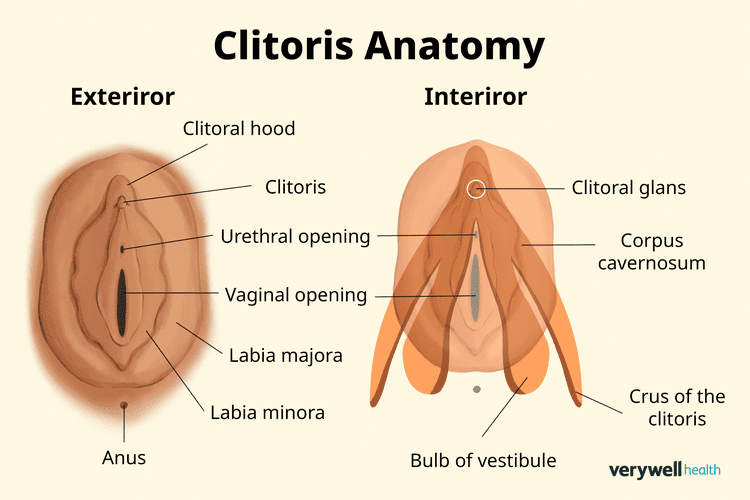
Most people only know the glans (the visible tip), but 90% of the clitoris is internal. It consists of the bulbs and the crura (legs) that hug the vaginal opening.
As the baby’s head moves through the birth canal, it doesn’t just pass by the vagina; it creates internal pressure against the bulbs and legs of the clitoris. This stimulation is a built-in biological mechanism that assists the birthing process.
Secret 2: The Oxytocin Factory
The clitoris is the most nerve-dense part of the human body. When stimulated—even through the pressure of a baby’s descent—it signals the brain to release a massive surge of Oxytocin.
Tip: Oxytocin is the “Hormone of Love,” but it is also the hormone responsible for uterine contractions. By engaging the clitoral nerve network, your body can actually help intensify productive contractions while simultaneously boosting your mood and sense of safety.
Secret 3: Natural Pain Modulation
The nerves of the clitoris connect to the same pathways that process “gate control” pain relief. When the clitoral network is active, it can help “crowd out” the intense pain signals coming from the stretching cervix and perineum.
In many cultures and modern “active birth” practices, gentle clitoral stimulation (either by the mother or a partner) is used as a natural tool to manage the intensity of transition and the pushing stage.
Secret 4: The Pelvic Floor Connection
The clitoris is deeply integrated with the pelvic floor muscles. Proper clitoral blood flow and nerve activation help the pelvic floor muscles to relax and engorge rather than tighten in fear.
When the clitoral bulbs are engorged with blood, they provide a protective “cushioning” effect for the surrounding tissues. This can lead to:
1. More effective stretching of the vaginal opening.
2. A potential decrease in the severity of tearing.
3. Faster postpartum healing due to increased localized circulation.
Secret 5: The “Orgasmic Birth” Phenomenon
While the idea of an “orgasmic birth” sounds like a myth to some, it is a documented physiological possibility. Because the baby’s head stimulates the internal clitoral structures and the “G-spot” area (which is actually part of the clitoral complex), some women experience a state of euphoric bliss or even orgasm during the pushing stage.
This isn’t just “luck”; it is a result of the body’s natural opiate system (endorphins) working in perfect harmony with the clitoral nerve network.
How to Use This Knowledge
- Lower the Lights: The clitoris and the hormones it triggers are shy. They work best in “private” settings—dim lights, warmth, and a sense of safety.
- External Stimulation: Don’t be afraid to include clitoral touch in your birth plan. Whether it’s to restart “stalled” labor or to manage a painful surge, it is a valid medical tool.
- Mindful Breathing: When you feel the pressure of the baby, try to visualize that pressure as “opening” and “engorging” the internal clitoral structures, rather than tensing against it.
Your body did not design childbirth to be purely an experience of suffering. By understanding the powerful role of the clitoris, you can view your anatomy not as a series of obstacles, but as a sophisticated system of support.