
When you’re actively fertility tracking, the focus is often on timing—but what if seemingly harmless daily habits are quietly undermining all that effort and hurting your fertility hope?
These are not big, scary medical problems, but small, cumulative mistakes that can disrupt the delicate hormonal balance required for conception in both partners.
The great news? Recognizing these five mistakes gives you the power to stop them today and immediately boost your fertility hope. Let’s dive into the science of what needs to change.
1: Relying Exclusively on Calendar Tracking
We all know timing is key, but many couples fall into the trap of using a simple calendar app to predict ovulation based solely on past cycles.
The Silent Harm: Calendar apps assume your cycle is a perfect 28 days with ovulation exactly on Day 14. In reality, cycle length, and therefore ovulation day, can shift due to stress, travel, or illness. Relying only on averages means you can miss your true Fertile Window.
The Urgent Fix: Dual Tracking. Combine calendar estimates with physical signs. Use Ovulation Predictor Kits (OPKs) to detect the Luteinizing Hormone (LH) surge and observe Cervical Mucus (CM) changes (the gold standard non-invasive method). This combination provides precision, not just guesswork.
2: Extreme, Chronic High-Intensity Exercise
While movement is essential for health, consistently pushing your body into a state of severe fatigue and caloric deficit sends a distress signal that shuts down reproductive function.
The Silent Harm: Excessive, intense exercise (e.g., training for a marathon, daily high-intensity interval training (HIIT) coupled with low-calorie intake) raises the stress hormone cortisol. High, sustained cortisol can suppress the production of GnRH (Gonadotropin-Releasing Hormone), which is necessary for the pituitary gland to signal the ovaries to ovulate. This can lead to luteal phase defects or even amenorrhea (absent periods).
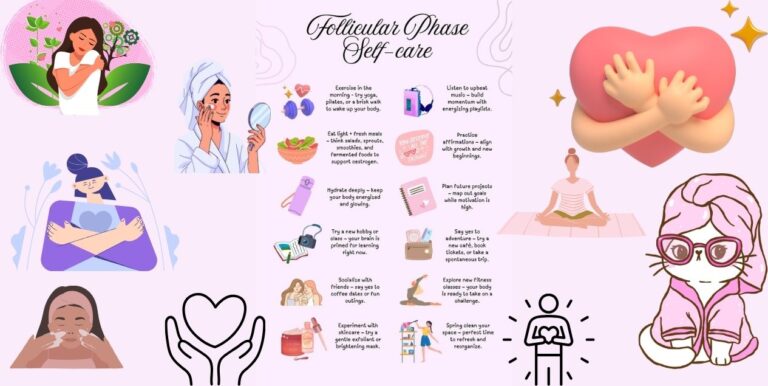
The Urgent Fix: Prioritize Movement over Intensity. Shift your focus to fertility-friendly movement. During the Follicular Phase, enjoy moderate strength training and cardio. During the critical Luteal Phase (post-ovulation), switch to restorative yoga, walking, and stretching.
3: Ignoring Environmental Endocrine Disruptors
Many common items in our home and food supply contain chemicals that mimic or interfere with your body’s natural hormones, silently wreaking havoc on egg and sperm quality.
The Silent Harm: Endocrine-Disrupting Chemicals (EDCs) like BPA (found in plastics) and Phthalates (found in scented products and some food packaging) disrupt the delicate balance of estrogen and testosterone. Exposure has been linked to lower sperm concentration in men and reduced fertility outcomes in women. (Source: Environmental Health Perspectives, 2017).
The Urgent Fix: The “Ditch and Switch.” Immediately stop microwaving food in plastic containers. Switch to glass or stainless steel storage. Choose fragrance-free body products and cleaning supplies, and filter your drinking water.
4: Over-Caffeinating and Under-Hydrating
While a morning coffee is fine, excessive caffeine intake and chronic mild dehydration stress your system and deplete critical nutrients.
The Silent Harm: High caffeine intake (more than 300mg per day, or about 2 standard cups of coffee) has been associated with longer time-to-conception in some studies. For men, excessive caffeine can negatively impact sperm DNA integrity. Furthermore, dehydration thickens cervical mucus—the very fluid needed to transport sperm.
The Urgent Fix: The 2-Cup Rule and Water Focus. Limit coffee to one or two cups maximum (totaling under 200mg/day). For every cup of coffee, drink an equal amount of water. Increase your intake of clean water throughout the day, particularly during the fertile window, to support healthy, abundant cervical fluid.
5: Neglecting Sleep for “Just One More Hour”
Sleep is not a luxury; it is the fundamental foundation for hormone production and regulation. Skimping on sleep is a direct attack on your fertility hope.
The Silent Harm: The hormones that regulate your reproductive cycle (LH, FSH, Progesterone) are deeply intertwined with your circadian rhythm (the sleep/wake cycle). Consistent lack of deep, restorative sleep raises cortisol and disrupts the timing of release of these crucial reproductive hormones. This is why shift workers often face fertility challenges.
The Urgent Fix: Make Sleep a Non-Negotiable. Aim for a consistent 7 to 9 hours of sleep every single night. Create a powerful wind-down routine that eliminates screens 30 minutes before bed. Prioritizing rest is one of the most powerful non-pharmaceutical interventions you can use to immediately boost your chances of conception.